A Practical Guide to Real Applications
When choosing a laser cleaning machine, the real question is not whether it works, but whether it fits your workflow.
Laser cleaning is used for rust removal, oxide treatment, oil cleaning, coating removal, and surface preparation. Each task requires different levels of control and stability.
Understanding a 200W pulsed laser cleaning machine starts with real applications—not just specifications.
Rust Removal: Controlled Cleaning Instead of Surface Damage
Rust removal is one of the most common use cases.
Unlike grinding or sandblasting, which can affect the base material, pulsed laser cleaning targets the contamination layer more precisely.
This makes it suitable for:
- Automotive parts restoration
- Tool and component repair
- Metal structure maintenance
In these scenarios, preserving the base material is just as important as removing rust.
Weld Preparation and Post-Treatment
Surface condition directly affects welding quality.
Oxides and residues can lead to inconsistent results, so the goal is not just cleaning but consistency.
Laser cleaning provides a controlled, repeatable process for:
- Pre-weld preparation
- Post-weld cleaning
- Surface conditioning
Its advantage lies in stability rather than raw cleaning power.
Industrial Maintenance: A More Direct Workflow
In industrial environments, cleaning is continuous.
Compared to chemical or mechanical methods, laser cleaning reduces process complexity:
- No chemicals
- Less waste
- Suitable for complex or on-site work
It is widely used in:
- Equipment maintenance
- Mold cleaning
- Industrial servicing
Over time, this leads to more efficient operations.
Coating and Paint Removal: Precision Matters
For coating removal, control is critical.
Traditional methods often affect surrounding areas or require extra steps. Laser cleaning allows localized processing with clear boundaries.
This is especially useful for:
- Partial restoration
- Coating repair
- Surface rework
In these cases, precision matters more than speed.
Why 200W Pulsed Systems Are Often Chosen
A 200W pulsed laser cleaning machine sits in a practical middle range.
Lower power may lack efficiency, while higher power increases cost and complexity.
Pulsed systems offer:
- Lower thermal impact
- Better control
- More consistent results
This makes them suitable for rust removal, oxide cleaning, and general metal surface applications.
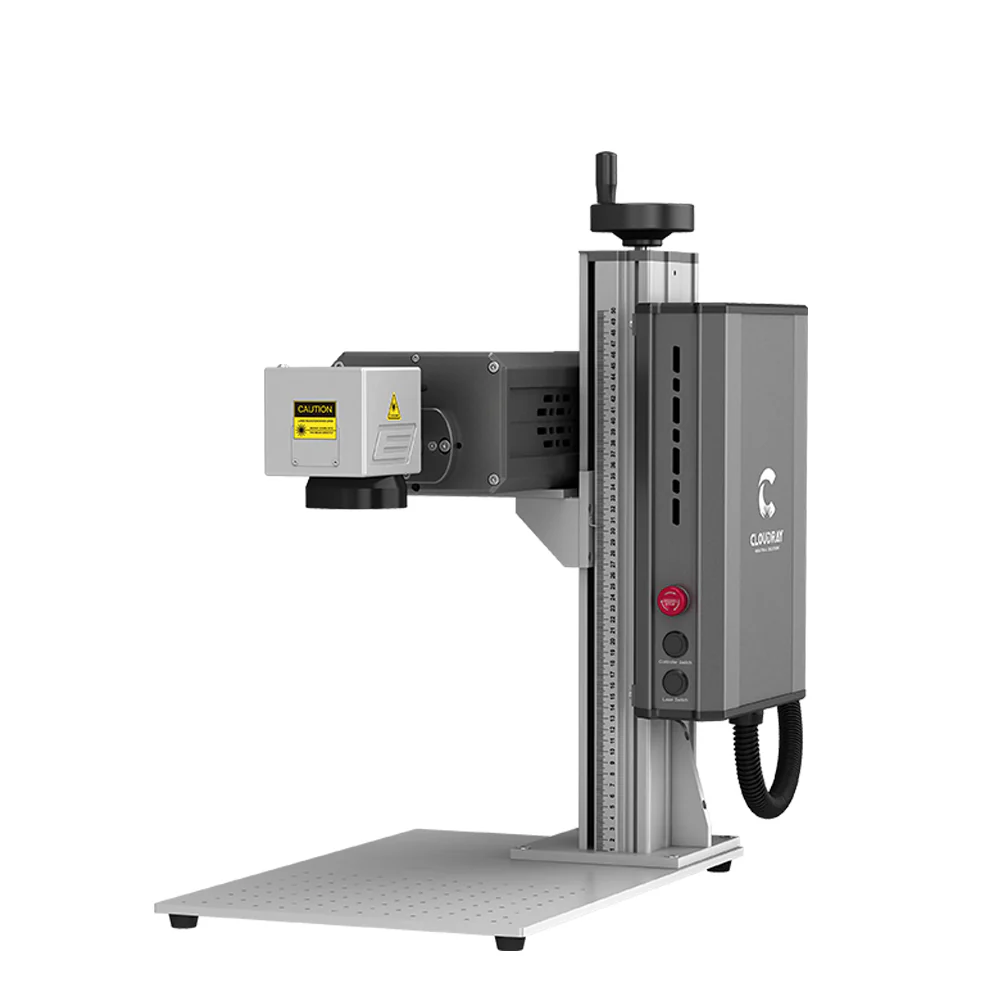
Solutions like the Cloudray CL-200 are designed around this balance combining usable power with controlled output for real working conditions.
What Actually Matters Long Term
Power is only one factor.
Long-term performance depends on:
- Beam consistency
- Galvo accuracy
- Thermal management
- Stability during continuous use
These determine whether cleaning feels controlled or difficult to manage.
In practice, well-balanced systems especially handheld pulsed designs with stable output are more reliable for daily work.
How to Choose Based on Your Application
A practical selection process usually follows:
- Define your main task
- Understand your working environment
- Decide if mobility is required
- Choose pulsed vs continuous
- Evaluate power and stability
For many applications, a stable 200W pulsed system is sufficient.
FAQ About 200W Laser Cleaning Machines
Can a 200W laser cleaning machine remove rust completely?
For most light to medium rust removal tasks, a 200W pulsed laser provides sufficient power while maintaining surface control.
Is 200W laser cleaning enough for industrial use?
In many maintenance, repair, and surface preparation scenarios, 200W offers a strong balance between efficiency and precision.
What materials can a laser cleaning machine clean?
It is primarily used on metal surfaces to remove rust, oxide layers, oil residues, and coatings.
Laser cleaning vs sandblasting: which is better?
Laser cleaning offers greater control and minimizes damage to the base material, while sandblasting is more suitable for large-area, less precise cleaning.
Do I need a pulsed laser for cleaning?
If your application requires precision, surface protection, and controlled processing, a pulsed laser system is generally the better choice.
Conclusion
A 200W pulsed laser cleaning machine is not just about removing material.
It is about doing it in a controlled and consistent way.
For applications that require precision, repeatability, and surface protection, it becomes a more practical solution—not just an alternative.